Practical implementation guides, technical audits, step-by-step walkthroughs, measurement frameworks, crawler configuration guidance, and editorial optimization workflows for generative search discovery.
28published guides
Every guide focuses on reproducible workflows, crawl accessibility, schema standards, and empirical observation rather than speculative ranking shortcuts.
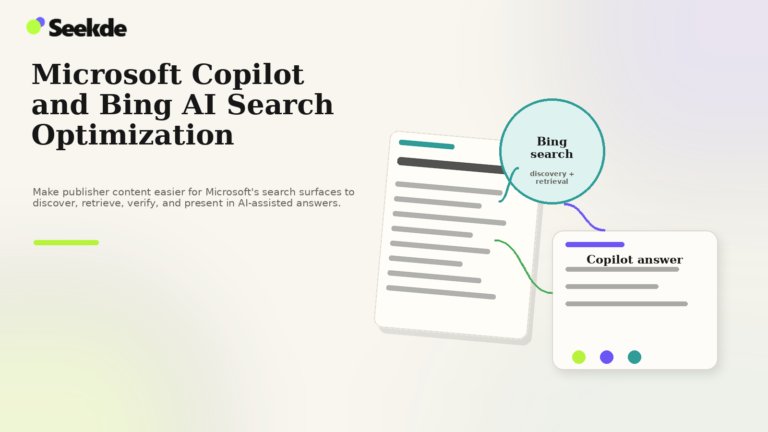
Microsoft Copilot relies on Bing's search index and orchestration models to ground conversational answers across web sources. Useful optimization practices include verifying Bingbot access in robots.txt, submitting sitemaps via Bing Webmaster Tools, and formatting key answers into direct, extractable paragraphs.
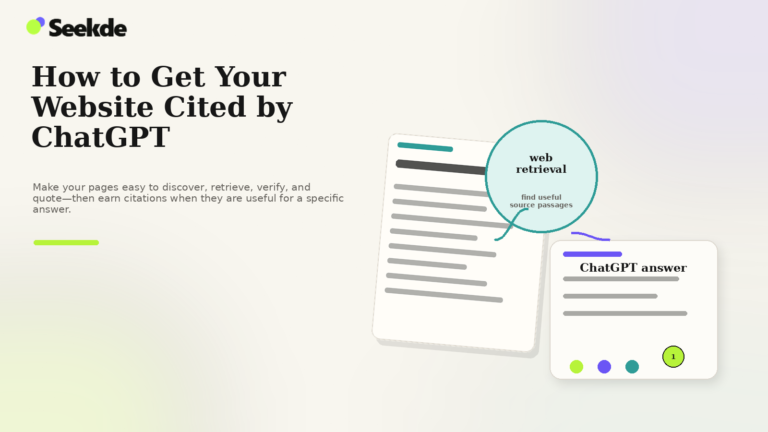
Improve ChatGPT citation readiness with clear source-backed claims, public crawlable pages, and access for OAI-SearchBot; inclusion is not guaranteed. Preparing content for OpenAI's search retrieval is aided by verified factual statements, semantic heading structures, and accessible server-rendered HTML rather than ungrounded keyword repetition.
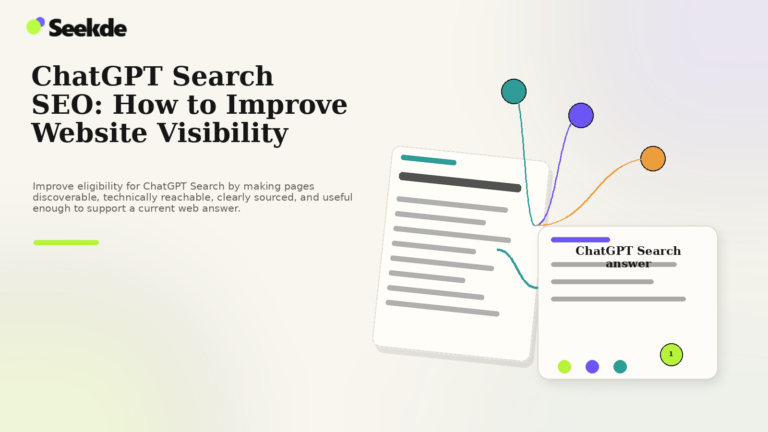
ChatGPT Search visibility starts with crawlable public pages, clear source identity, useful evidence, and content that can be retrieved and cited. Allowing access for OAI-SearchBot and formatting content into clear factual passages can improve retrieval readiness, though source attribution remains dependent on user queries and conversational context.
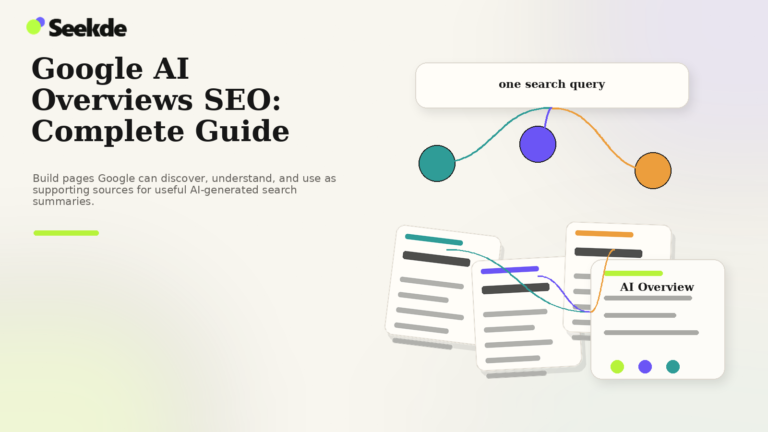
Google AI Overviews synthesize multi-source answers from standard indexed web pages. Documented guidance confirms that Google does not require special structured data or tags for AI Overviews; visibility depends on standard crawlable, indexable, and helpful content that answers user questions clearly.
Search Seekde
Press Esc to close · Search guides, explainers & analyses.